
Science and STEM Models
Expose variables, labels, and states for molecules, lab setups, mechanical systems, or physics demonstrations.
Interactive learning models with adjustable parameters, real-time feedback, and animations directly in the browser.
Use confBuild where students learn better by manipulating the model instead of only reading about it.
Expose variables, labels, and states for molecules, lab setups, mechanical systems, or physics demonstrations.
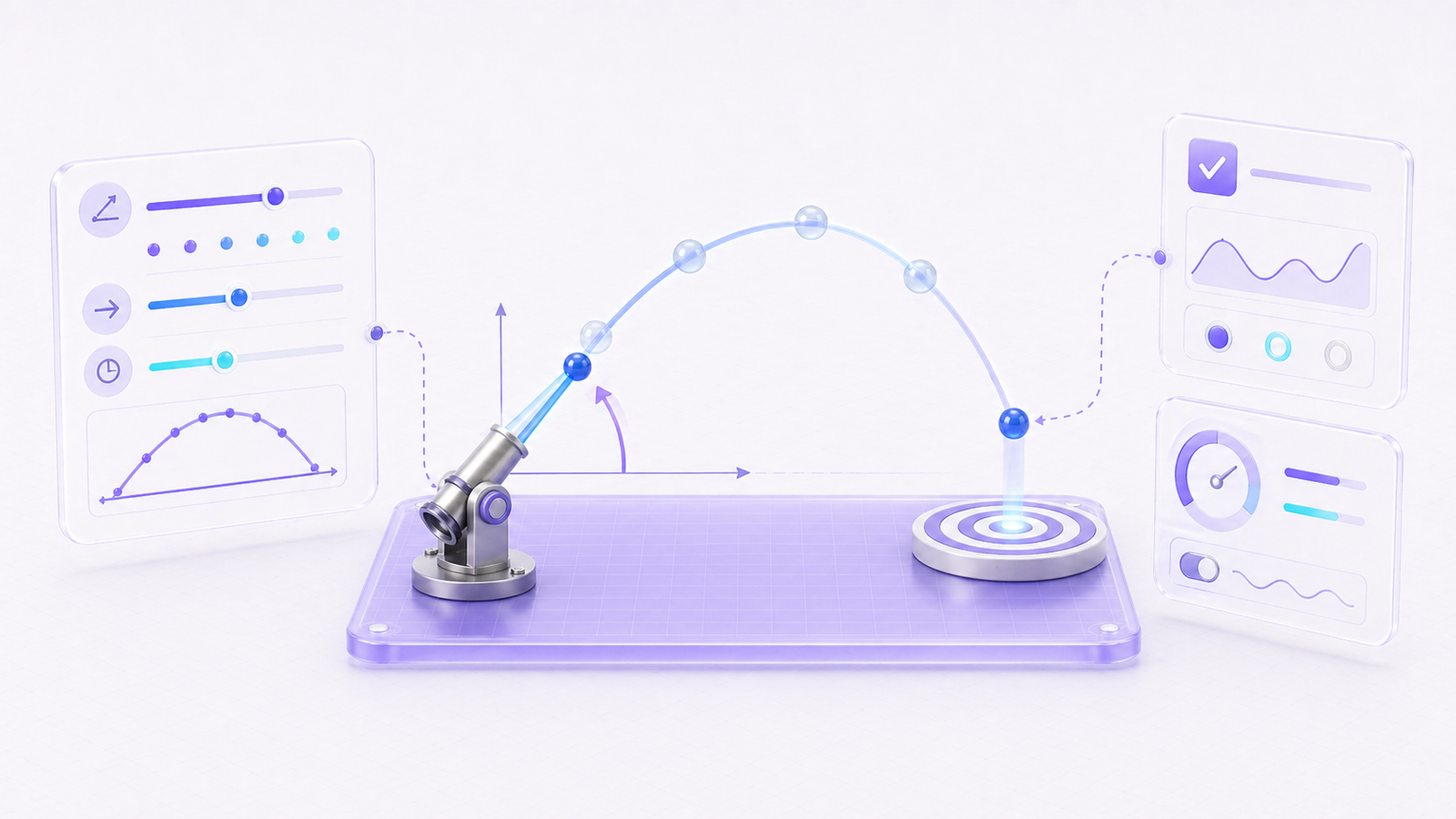
Create safe, repeatable experiments where learners can adjust inputs and compare visible outcomes.
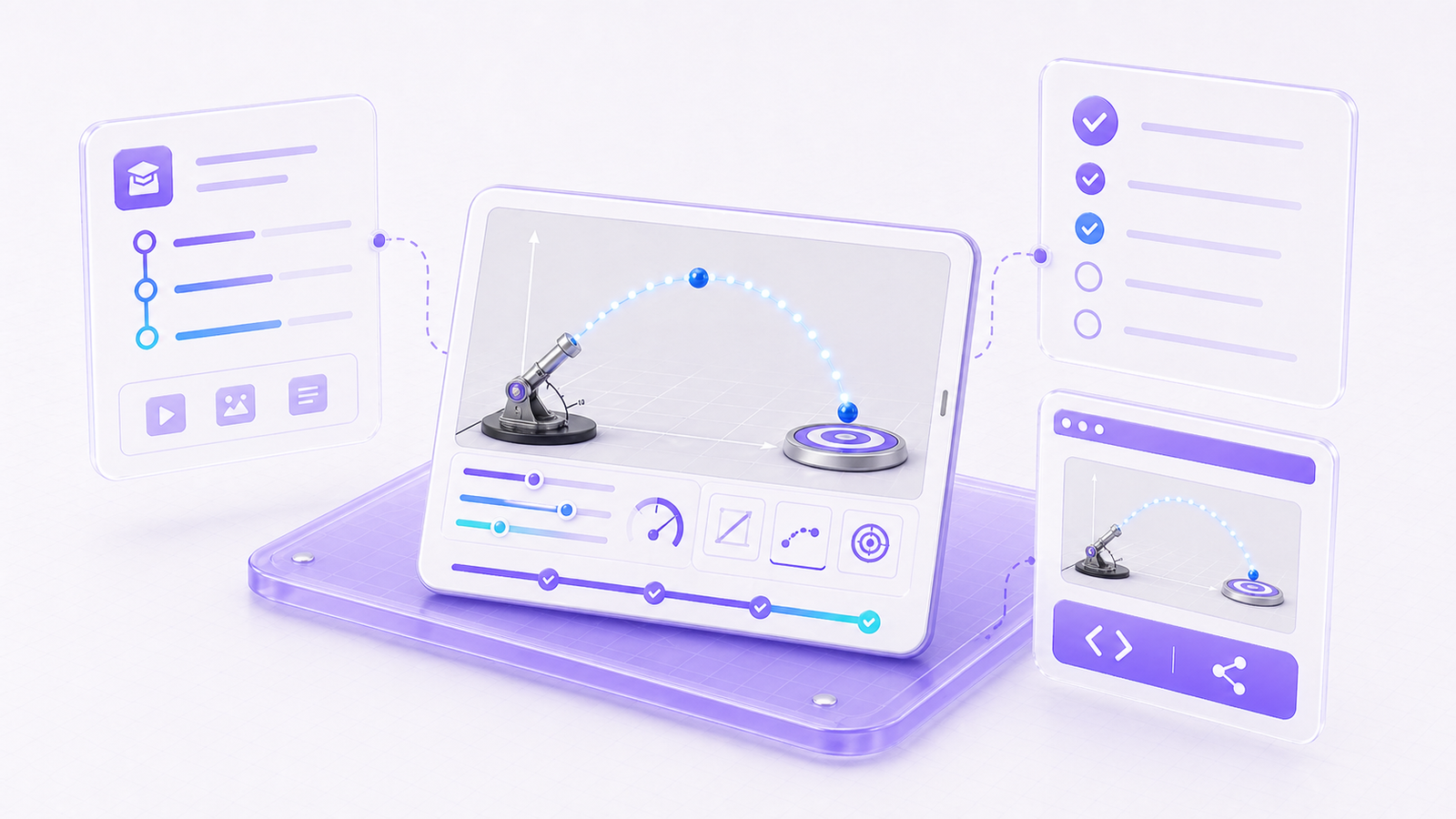
Package models, guided checks, and course embeds so the experience works inside existing learning material.
Alongside animations, the greatest learning impact comes from true interactivity: learners adjust parameters through playful exploration and see the model change in real time. This direct connection between a value and its visible effect makes relationships immediately understandable and encourages independent experimentation.
Create learning experiences students can change, inspect, test, and repeat directly in the browser.
Create a science, STEM, anatomy, history, or training scene.
Add variables, layers, labels, and guided configuration logic.
Use states, checks, and prompts to support exploration.
Share the interactive experience in a browser without local installs.
Turn a diagram, object, or scientific model into a guided browser experience that students can change, test, and revisit.

Build browser-based lessons that students can rotate, change, inspect, and repeat without requiring local software.
Turn a molecule, mechanism, experiment, anatomy model, or historical object into a scene learners can inspect from multiple angles.
Expose the controls that matter for the lesson: dimensions, forces, reactions, states, assemblies, labels, or scenario steps. Every parameter change becomes visible on the model in real time.
Use validation states, hints, and comparison views so learners can test ideas and understand why a result changes.
Publish interactive lessons in documentation, learning portals, and classroom material while keeping future revisions easy.
The same model can support demonstrations, assignments, and self-guided exploration.